Ceiling Scraping in Myrtle Beach SC
At Myrtle Beach Popcorn Ceiling Removal, we take pride in offering professional
ceiling scraping services in Myrtle Beach, SC. Whether you are updating an older home, preparing a ceiling for a fresh coat of paint, or removing outdated textures, our team is here to provide safe and efficient service. We focus on delivering high-quality results while minimizing dust and mess.
Inspection and Preparation
Every ceiling scraping project starts with a careful inspection. Our experts assess the condition of your ceiling to determine the best approach. This step is important because it allows us to identify any cracks, water damage, or areas that might need extra attention. Proper preparation ensures the scraping process is smooth and effective. We also take the time to cover furniture, floors, and fixtures to protect your home during the project.
Score or Moisten the Ceiling Surface
Before scraping begins, we prepare the ceiling surface. For some ceilings, scoring the surface helps loosen old texture, making it easier to remove. In other cases, lightly moistening the ceiling softens the material, reducing dust and effort. Our team chooses the right technique depending on the type of ceiling and its condition. This careful preparation helps prevent damage and ensures a clean, even result.
Scrape in Sections, Maintaining a Consistent Angle
Ceiling scraping is done in sections to manage the process efficiently. Our skilled technicians work carefully, maintaining a consistent angle with their tools. This attention to detail ensures that the old texture is removed evenly across the ceiling. By working in sections, we can maintain control over the debris and achieve a smoother surface. This method also reduces the risk of gouging or uneven spots, which can make future painting or finishing more difficult.
Collect and Dispose of Debris Safely
Removing ceiling texture produces a significant amount of debris. We prioritize safety and cleanliness by collecting the material as we go. Using protective gear and proper disposal methods, we make sure that dust and particles are minimized in your home. All debris is safely removed and disposed of according to local regulations, leaving your space clean and ready for the next steps in your renovation or remodeling project.
Inspect for Remaining Texture or Imperfections
Once the scraping is complete, our team carefully inspects the ceiling for any remaining texture or imperfections. This final review is crucial to ensure a flawless surface. Any missed spots or rough areas are addressed immediately, so your ceiling is ready for painting, finishing, or other treatments. Our goal is to leave every ceiling smooth, uniform, and visually appealing.
Choosing our ceiling scraping services means working with a team that values quality, safety, and attention to detail. From inspection to cleanup, we make sure your ceiling is prepared perfectly for your next home improvement project.
Receive a Quote Instantly
Different Ways to Scrape a Ceiling
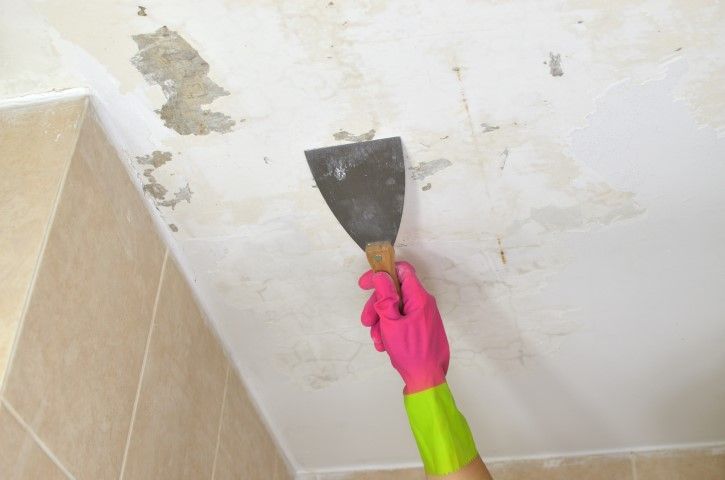
If you are planning to update or refresh your ceiling, choosing the right scraping method is essential. Our team offers professional ceiling scraping services tailored to your needs. We use safe and effective techniques to remove old textures and prepare your ceiling for painting or finishing. Here are the main methods we use:
Wet Scraping
Wet scraping is one of the most common methods for removing textured ceilings. This method involves lightly applying water to soften the material, making it easier to scrape off. Wet scraping is especially useful for older ceilings or popcorn textures that can be brittle. By softening the ceiling, we reduce dust and minimize the risk of damage. Our team carefully controls the moisture to ensure the surface is ready for a smooth scraping process.
Dry Scraping
Dry scraping is ideal for small areas or ceilings without heavy texture. This method uses hand tools to gently remove material without the need for water. Dry scraping is efficient for minor projects or touch-ups where wetting the ceiling could be unnecessary or messy. It is also useful for delicate surfaces that might warp or stain if exposed to moisture. Our team works carefully to maintain a consistent angle and prevent gouges, leaving the surface even and clean.
Power Tools
For larger projects, power tools like electric scrapers or sanders can save time and effort. These tools allow our team to handle extensive ceilings quickly while maintaining a smooth finish. Power scraping is particularly effective on thick textures or ceilings with multiple layers of old paint and popcorn. We use these tools with precision, ensuring safety and control to avoid damage to your ceiling or surrounding areas.
Post-Scraping Tasks
After the scraping is complete, several important steps ensure a polished result. First, we carefully clean and remove all debris from the area. Dust and particles are collected and disposed of safely to leave your space clean. Next, we inspect the ceiling for any remaining texture or imperfections, smoothing out rough spots as needed. Finally, your ceiling is ready for painting, priming, or any other finishing work.
Our goal is to make ceiling scraping a hassle-free experience. By choosing the right method for your ceiling type and size, we can ensure a clean, smooth surface that enhances the overall look of your home. Whether you need wet scraping, dry scraping, or power tools for a larger project, our team is ready to provide professional and reliable service. Contact us today to schedule your ceiling scraping service and get your ceilings looking fresh and ready for your next home improvement project.
Ceiling Surfaces That Typically Need Scrape Removal
Ceiling scraping is a common home improvement task that many homeowners face when renovating or updating their homes. Not all ceilings need scraping, but certain types of ceilings often do because of age, damage, or outdated finishes. Understanding the different ceiling types that may require scraping can help you plan your project better and know when to call a professional.
Popcorn Ceilings
Popcorn ceilings, also known as acoustic or stipple ceilings, were very popular from the 1950s through the 1980s. They were often used to hide imperfections and provide soundproofing. While they may have been stylish decades ago, today they are considered outdated and can make a room look old-fashioned. Over time, popcorn ceilings can accumulate dust, cobwebs, or even moisture damage, which makes them difficult to clean. Scraping these ceilings is often necessary if you want a
smooth, modern look. Because older popcorn ceilings may contain asbestos, it’s important to have a professional handle the removal safely.
Textured Ceilings
Textured ceilings are created using plaster, joint compound, or other materials to give a patterned effect. Common textures include swirls, knockdowns, and skip trowel patterns. While they can add style to a room, textured ceilings are more challenging to maintain and repair. If the texture becomes damaged, stained, or outdated, scraping it off may be the best solution. Removing the texture allows you to repaint or apply a new finish that matches your current décor. Textured ceilings may require careful scraping to avoid damaging the underlying surface.
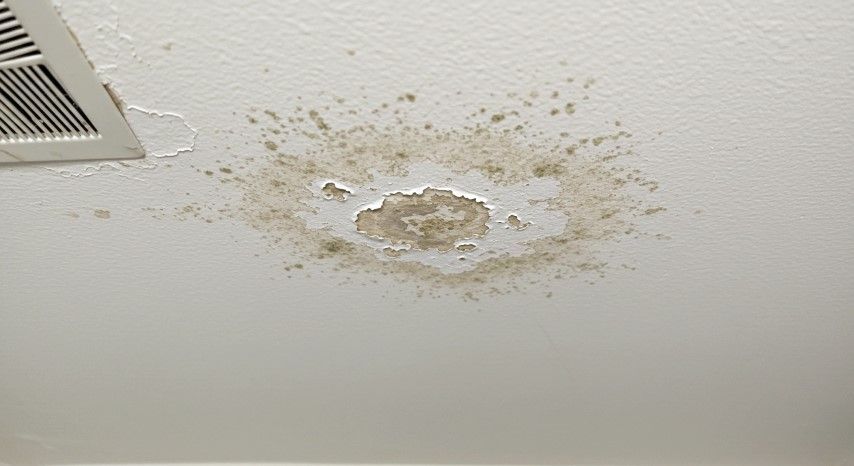
Stained or Water-Damaged Ceilings
Ceilings that have been exposed to water leaks or other damage often need scraping. Water stains, mold, and peeling paint can make a ceiling look unsightly and may even lead to structural problems if not addressed. Even if the ceiling is not textured, scraping the damaged area can remove the affected material and create a clean surface for repair or repainting. In many cases, addressing water damage also requires identifying and fixing the source of the leak before finishing the ceiling.
Painted or Layered Ceilings
Over time, ceilings can accumulate multiple layers of paint, which may crack, peel, or yellow. Older homes often have ceilings with many coats of paint applied over the years. Scraping these layers off helps create a smooth and even surface for a fresh coat of paint or a new finish. Removing old paint can improve the look of the room and increase the durability of the new paint job. Proper scraping techniques ensure that the ceiling is ready for a professional-quality finish.
If your ceiling fits into any of these categories and you’re considering an update, scraping may be necessary to achieve the results you want. Ceiling scraping can improve the look, safety, and value of your home. Contact us today to learn more about professional ceiling scraping services. Our team can help you identify the right approach for your ceiling type and ensure a smooth, clean finish for your home.